1.
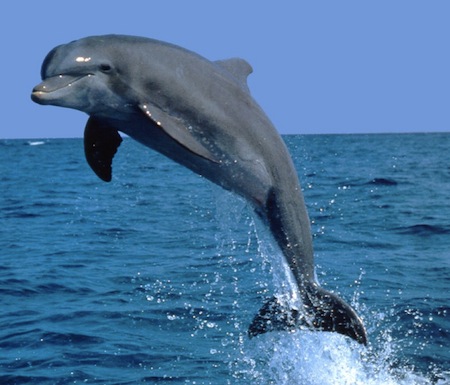
Dogs and dolphins have a homologous structure. The dolphin and dog seem completely unrelated
but they must have had a common ancestor in the past to connect the land mammal
to the sea mammal.
The homologous
trait in both species is the structure of the dog’s leg and the dolphin’s
flipper. Both have similar bone
structures and patterns. The dog’s bone
structure is obviously more conducive of walking, running, and jumping while
the dolphin’s flipper is designed for swimming.
The common ancestor
was most likely a sea creature, since life began in the oceans. The ancestor had the same structures because
it is the only way for the two species to have such similar bone
structures.

2.
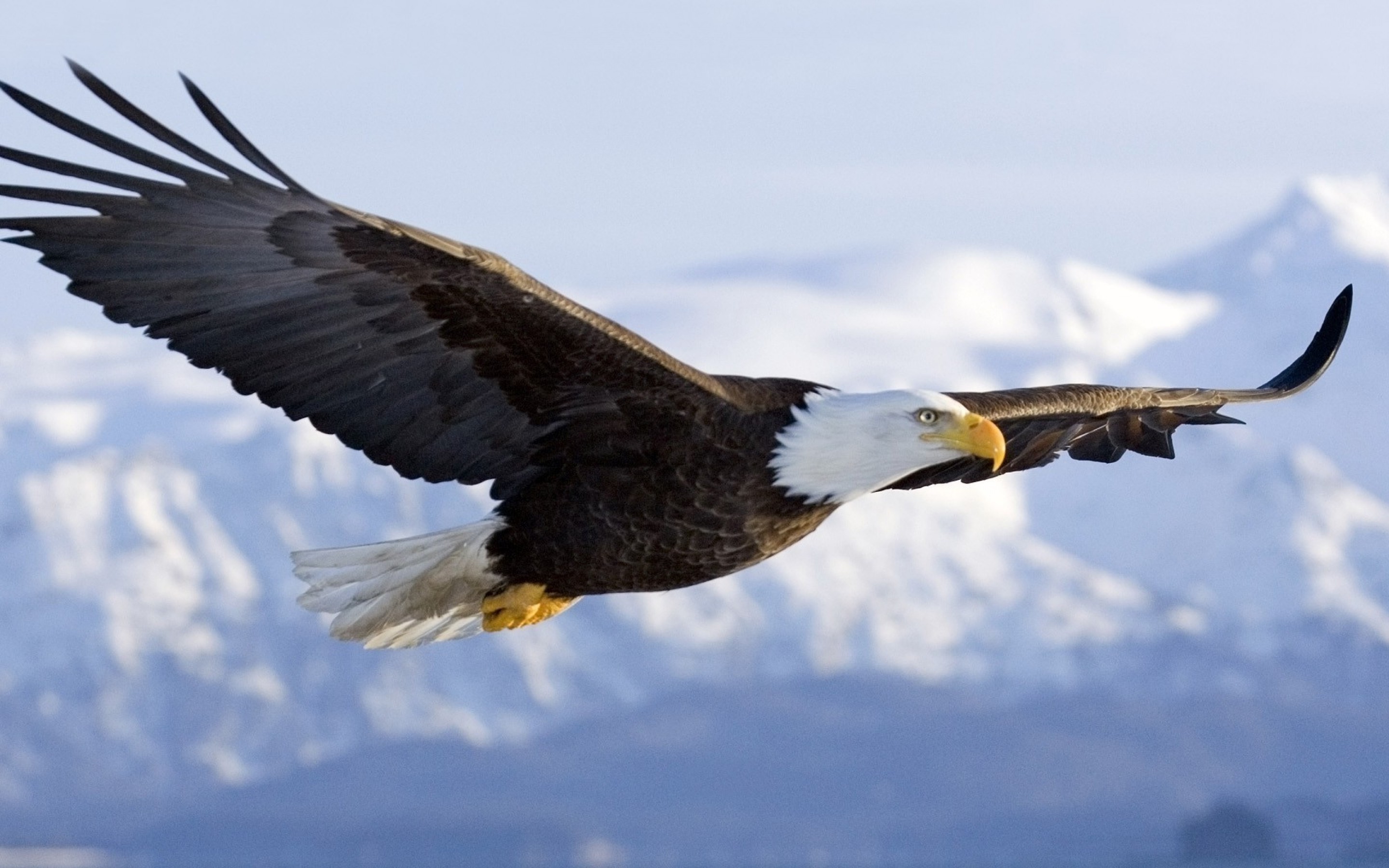
Two species with analogous structures are butterflies and
eagles. The insect and the bird have
similar traits but do not have them because of a common ancestor.
The analogous trait
are the wings that both animals have. The
butterfly and the eagle can fly but they have different structures behind the
means. The bird has a skeletal system that
makes the wings function while the insect’s wings are only comprised of
membranes and veins.
These two creatures
do not have this trait because of a common ancestor because we know that birds
came from reptiles that did not have wings.
This means that the birds did not get their wings from an ancestor so
they are not homologous to the butterfly.

**Images are from
google.com

Wow great job explaining the analogous and homologous traits of both! It's always great to know of more organisms with the same traits and different ancestry. All in all I think you did a great job picking the different organisms that pertain to the two different traits.
ReplyDeleteNice job on your post. I actually chose the exact same picture for the dolphin, nicely explained and straight-forward.
ReplyDeleteGood description and explanation of your homologous traits.
ReplyDelete"The common ancestor was most likely a sea creature, since life began in the oceans."
It is true that life began in the oceans but that was billions of years ago. The common ancestor of the dog and the dolphin, their common mammalian ancestor, lived about 400,000 years ago, long after those first sea creatures, and they were most definitely land animals.
http://www.sciencemag.org/news/2013/02/ancestor-all-placental-mammals-revealed
"The ancestor had the same structures because it is the only way for the two species to have such similar bone structures. "
This is circular logic, meaning you are making your evidence dependent upon the fact you are trying to support. The evidence must be independent. We know that the common ancestor possessed these traits because the common ancestor was also a mammal, and by definition, all mammals carry these rudimentary limb shapes.
Very good description and explanation of your analogous trait, but this was the best part of this section:
"These two creatures do not have this trait because of a common ancestor because we know that birds came from reptiles that did not have wings. "
That is excellent logic. Knowing the evolutionary history of birds and bird wings, we know where and how those wings evolved, and they did not arise from the common ancestor with the butterfly, some 100's of millions of years ago. Well done.
Good images.
"The common ancestor of the dog and the dolphin, their common mammalian ancestor, lived about 400,000 years ago, long after those first sea creatures, and they were most definitely land animals."
DeleteNote error in my dates as I mispoke: The common mammalian ancestor arose about 400,000 years AFTER the die off of the dinosaurs, so about 64 million years ago.
I really enjoyed reading your post. Extremely information and easy to comprehend. I really love how for your homologous trait you used an example of a land mammal and a sea mammal, really great way to bring together two commonly known animals. Great job!
ReplyDelete