Thursday, February 25, 2016

Week 3 Post

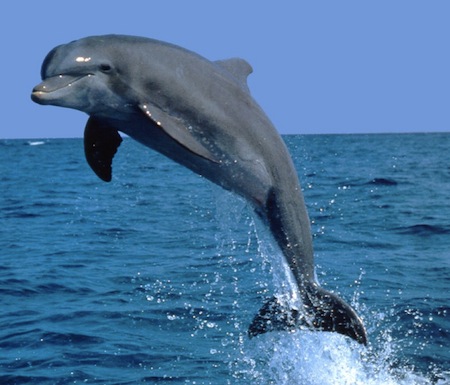
1.    Dogs and dolphins have a homologous structure.  The dolphin and dog seem completely unrelated but they must have had a common ancestor in the past to connect the land mammal to the sea mammal.
The homologous trait in both species is the structure of the dog’s leg and the dolphin’s flipper.  Both have similar bone structures and patterns.  The dog’s bone structure is obviously more conducive of walking, running, and jumping while the dolphin’s flipper is designed for swimming. 
The common ancestor was most likely a sea creature, since life began in the oceans.  The ancestor had the same structures because it is the only way for the two species to have such similar bone structures. 
 

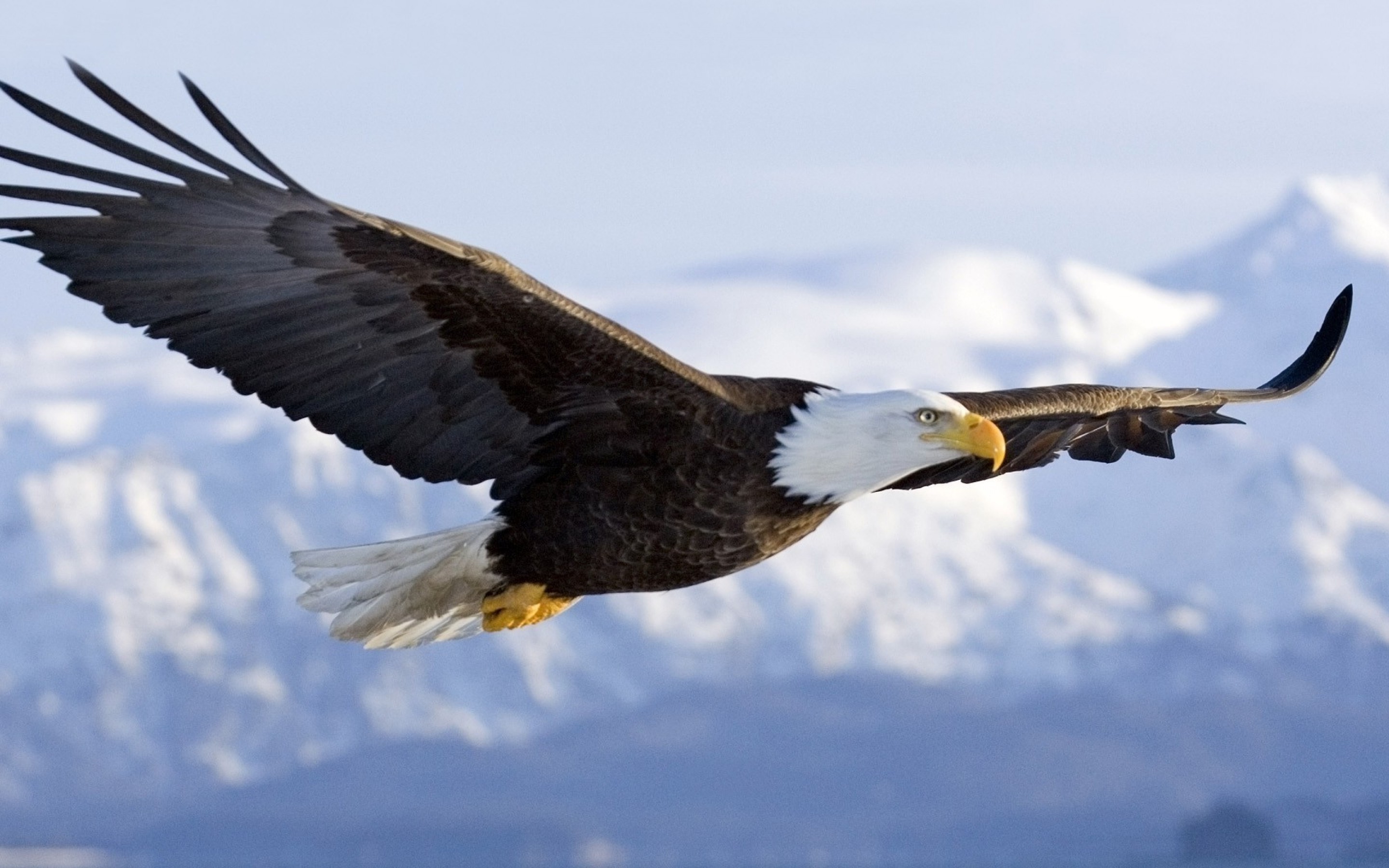
2.    Two species with analogous structures are butterflies and eagles.  The insect and the bird have similar traits but do not have them because of a common ancestor.
The analogous trait are the wings that both animals have.  The butterfly and the eagle can fly but they have different structures behind the means.  The bird has a skeletal system that makes the wings function while the insect’s wings are only comprised of membranes and veins. 
These two creatures do not have this trait because of a common ancestor because we know that birds came from reptiles that did not have wings.  This means that the birds did not get their wings from an ancestor so they are not homologous to the butterfly. 

**Images are from google.com

Thursday, February 18, 2016

Week 2 Post

DNA Strand: 
AGTTACCAAGTTATTATATCCTGATGGACATGCAATCAACCGTGAATCAGT

Thursday, February 11, 2016

Week 1 Post

Georges Cuvier held a strong opposition to what Darwin believed in.  Cuvier did not accept any theory that involved evolution.  Cuvier is credited with founding vertebrate paleontology as a new area of study.  He did not believe in evolution because of his belief that any organism that has a changing anatomy would not be able to survive.  One of the topics that Cuvier did work on was that of the adaptiveness of traits.  Cuvier did not believe that organisms can adapt very well to different environments just because of the way their traits work.  He did not necessarily believe that animals had the ability to change themselves physiologically to adapt.  Cuvier also did not agree with the claim that “individuals do not evolve, populations do.”  He studied mummified cats and compared them to present day cats and could not find any difference.  This led him to believe that not only do individuals not evolve, populations do not evolve either.  He studied different types of elephants and compared them to an extinct mammoth.  He showed that the elephants (which had different physical attributes) were of different species and that neither had a bone structure comparable with that of the ancient mammoth.  I believe that Darwin could still have developed his theory of natural selection without Cuvier’s work.  Darwin may have analyzed vertebrate paleontology in developing his theory so there is a chance that Cuvier’s work could have influenced Darwin.  Darwin and Cuvier did not agree on the theory of evolution.  The attitudes of the church completely went against what Darwin had theorized.  His claims were looked at as being against creationism, and it was strongly opposed.   

Source:  http://www.ucmp.berkeley.edu/history/cuvier.html